As the biting North Atlantic frost descended upon the glistening decks of the RMS Titanic in the early hours of April 15, 1912, an eerie hush initially veiled the unfolding catastrophe. Beneath the starlit sky, thousands of incandescent bulbs cast a warm, deceptive glow across the polished teakwood, masking the impending terror of icy black waters creeping silently into the ship's lower compartments. While panic threatened to shatter the Edwardian composure of passengers emerging into the bitter cold, an unexpected and defiant sound pierced the midnight air: the tender resonance of stringed instruments tuning on the Boat Deck. Bandleader Wallace Hartley, an English violinist of quiet dignity and unwavering resolve, assembled his seven fellow musicians near the first-class entrance as the order for lifeboats echoed through the night. Clad in their formal heavy woolen overcoats and holding their instruments with steady hands, these eight men made an unspoken vow to offer solace amid unimaginable dread. The lively ragtime rhythms of "Alexander's Ragtime Band" and "Maple Leaf Rag" drifted across the promenade, providing a desperately needed psychological lifeline to mothers and children being lowered into the frigid abyss. Every note plucked and bowed served as a fragile barrier between civilization and chaos, transforming a scene of mortal peril into an immortal testament to human dignity. Even as the deck tilted beneath their feet and the ominous hiss of venting steam roared into the freezing atmosphere, the music never faltered for a single heartbeat.

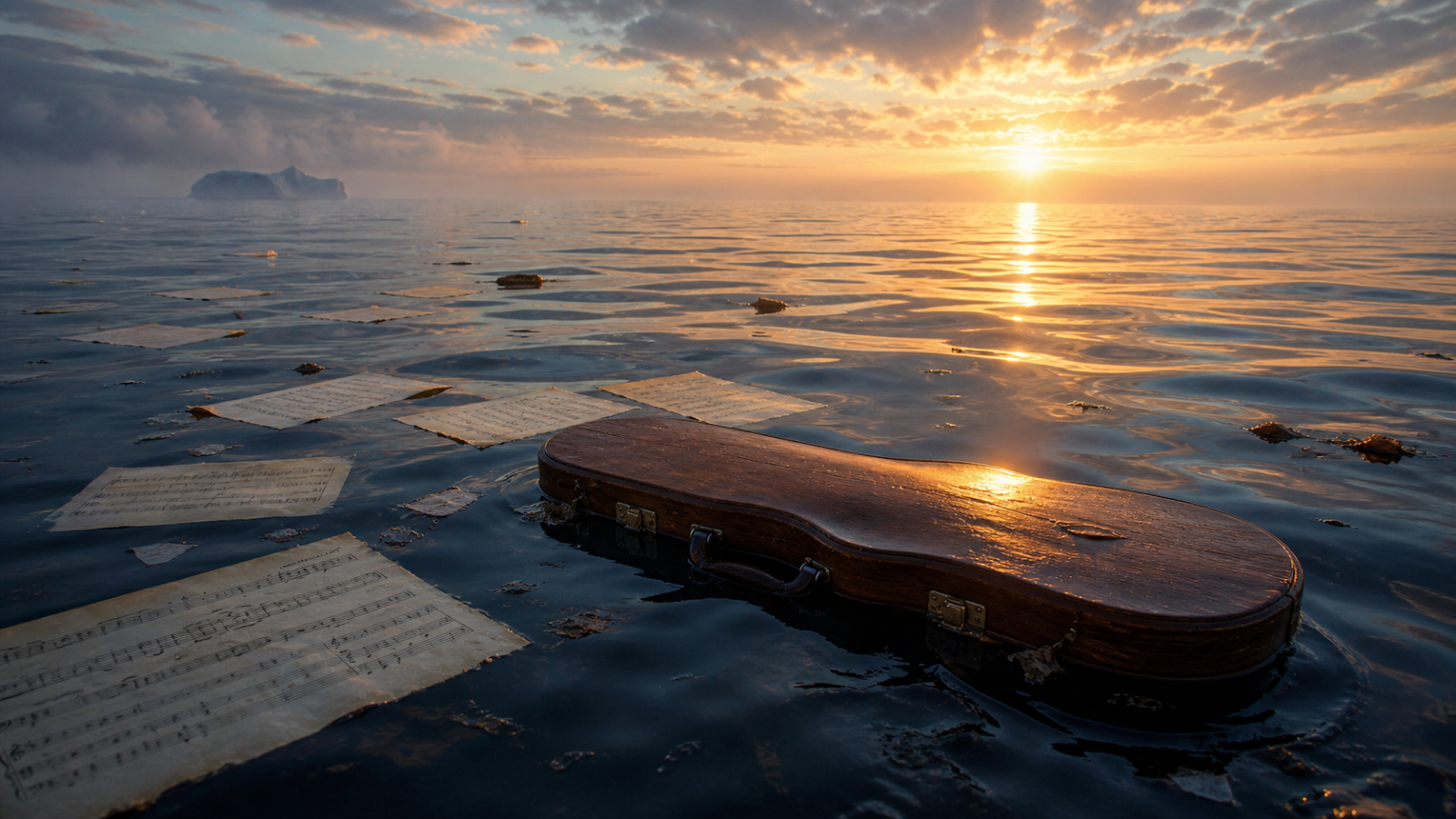
Delving into the history of Wallace Hartley's band reveals an extraordinary narrative of camaraderie, sacrifice, and artistic devotion that transcends the romanticized lore of popular culture. Unlike regular ship crew members, these eight musicians—Wallace Hartley, Theodore Brailey, Roger Bricoux, John Clarke, John Hume, Georges Krins, Percy Taylor, and John Woodward—were contracted through an independent agency and traveled under passenger tickets, meaning they had no maritime duty or legal obligation to remain on board. Yet, witnessing the sheer despair and confusion engulfing the sloping decks, not one man abandoned his post or attempted to board a lifeboat, choosing instead to stand side-by-side in absolute solidarity with their fellow human beings. Surviving passengers, including Second Officer Charles Lightoller and wireless operator Harold Bride, later recounted in vivid testimony how the melodies transitioned seamlessly from upbeat dance tunes into solemn, transcendent waltzes and hymns as the final lifeboats rowed away. Historical accounts illustrate that Hartley had once told colleagues that if he were ever aboard a sinking ship, music was the greatest gift he could offer to calm frantic minds and restore peace to troubled souls. Years after the catastrophe, the recovery of Wallace Hartley's violin—strapped securely to his body in a leather case gifted by his fiancée Maria Robinson—provided tangible, heartbreaking proof of his devotion to both his craft and his love. In the band's final moments, surrounded by the deafening groans of breaking steel and the surging ocean, they delivered their fabled, soul-stirring rendition of "Nearer, My God, to Thee," a hymn imbued with profound spiritual grace. When the sea finally surged over the Boat Deck, the musicians were swept into the freezing water together, having played until the icy waves submerged their instruments. Their selfless decision to trade their own chances of survival for the emotional solace of strangers remains one of the most sublime and poignant acts of gallantry in human history.
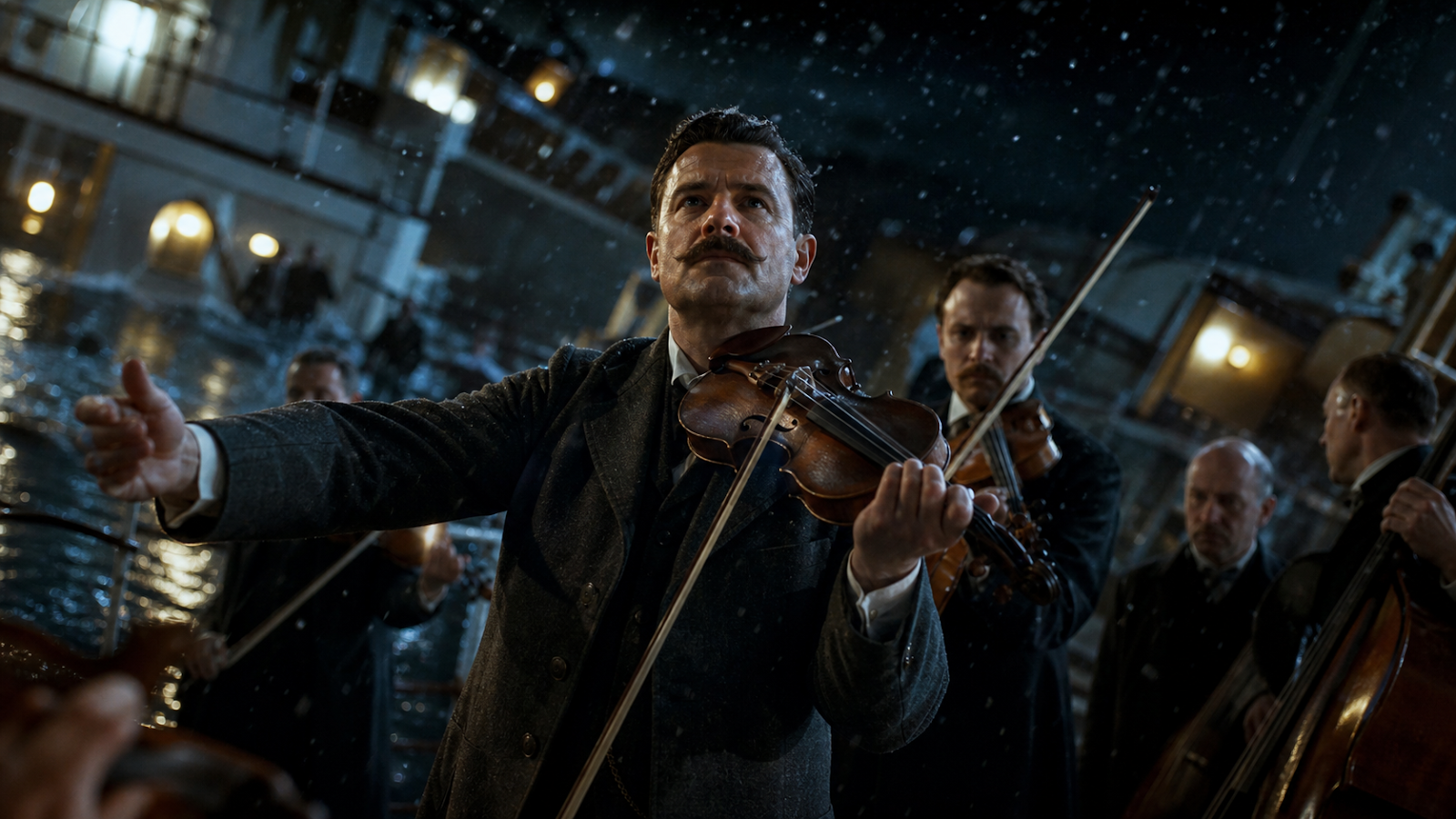
More than a century after the RMS Titanic slipped beneath the waves of the North Atlantic, the legacy of Wallace Hartley and his orchestra continues to resonate as an enduring symbol of empathy in the face of mortality. Their story reminds us that even when technology crumbles and the physical world collapses, art possesses the transcendent power to bring peace, order, and connection to humanity's darkest hours. When James Cameron immortalized their final performance in his 1997 cinematic masterpiece, he captured an essential truth that history had already etched in stone: true heroism is often found not in physical conquests, but in quiet acts of compassion and grace. Today, when visitors gaze upon Hartley’s water-stained violin preserved in museum collections, they are confronted with a silent monument to courage that refuses to be forgotten by time. The melodies that drifted across the icy Atlantic that fateful April night were not merely songs, but prayers of comfort sent outward to soothe fear and despair. As long as the world remembers the Titanic, the eight gentlemen of the orchestra will remain standing in our collective memory, playing their instruments under the starlit sky as eternal beacons of human dignity. In remembering them, we honor the timeless truth that love, duty, and harmonious kindness can triumph over the cold silence of the deepest abyss.
Comments
Post a Comment